Renewable Energy
Systems
With smart engineering designs inspired by natural cycles, you can build the clean energy infrastructure of the future today.
Explore clean energy. Measure what improves.
Investigate how renewable energy can be produced, converted, stored or used more effectively. Your team might improve a small solar setup, compare turbine designs or explore how different energy sources can work together for a particular need.
Develop an experiment, prototype, model or simulation and use it to compare ideas. At the competition, show what you measured, how the system works and what the results mean. A claim of better performance should be connected to a fair comparison.
The jury considers originality, scientific understanding, practical usefulness and sustainability at your level. Explain costs, limitations and environmental effects where they matter to your project. The official rulebook describes the evidence, presentation and assessment requirements.
Thematic Focus Areas
These are examples, not a closed list. Choose a focused problem and evidence appropriate to your project and competition level.
Solar Energy Technologies
Efficiency improvements in photovoltaic cell technologies, perovskite or flexible solar panel integrations, AI-powered solar tracking systems and solar energy applications integrated with agricultural areas (Agrivoltaics) are evaluated under this topic.
Wind Energy Systems
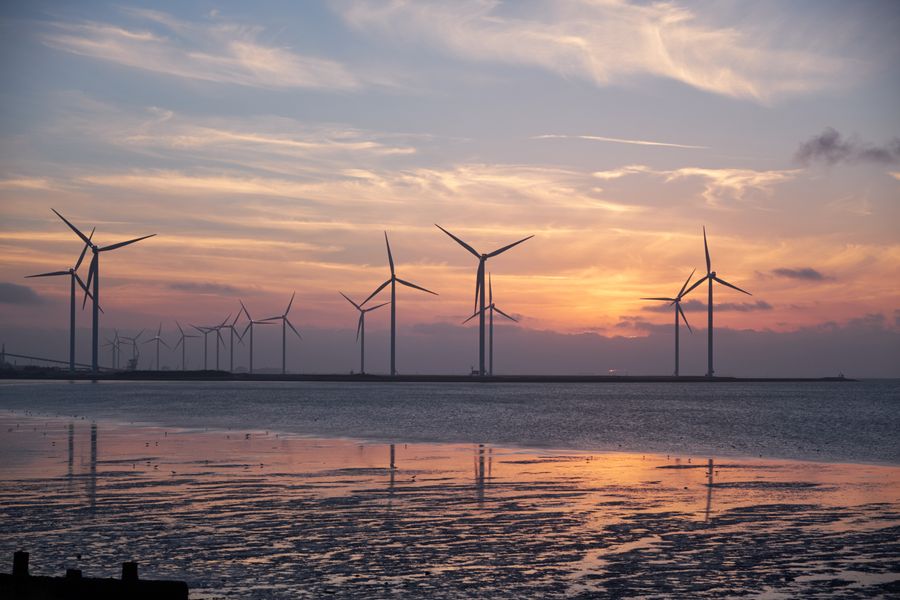
Innovative vertical or horizontal axis turbine designs that can operate even at low wind speeds, silent micro wind turbines suitable for urban areas, bladeless (vortex-based) energy production mechanisms, and AI software that optimizes wind farm efficiency.
Hydroelectric and Fluid Systems
Micro-hydroelectric power plants that reduce dependence on large dam ecosystems, run-of-river systems, next-generation corrosion-resistant, high-efficiency turbines that generate energy using ocean wave energy and tidal mechanisms.
Alternative Energy Production Methods and Hybrid Solutions
Zero-emission deep geothermal energy cycles, high-calorie biofuel or biogas production from biomass and agricultural/industrial waste, piezoelectric-based energy harvesting systems, and innovative electrolyzer designs for green hydrogen production.
Participation Rules
Scientific Accuracy and Simulation
Use scientific principles relevant to your project. Support performance claims with suitable measurements, calculations, experiments or validated simulations and explain the comparison.
Storage and integration where relevant
Explain storage, energy management or grid interaction when they are part of the proposed solution. A standalone investigation does not have to include every energy technology.
Environmental Life Cycle Analysis (LCA)
Discuss relevant environmental effects, material use, operating needs and end-of-life considerations at a depth appropriate to the project.
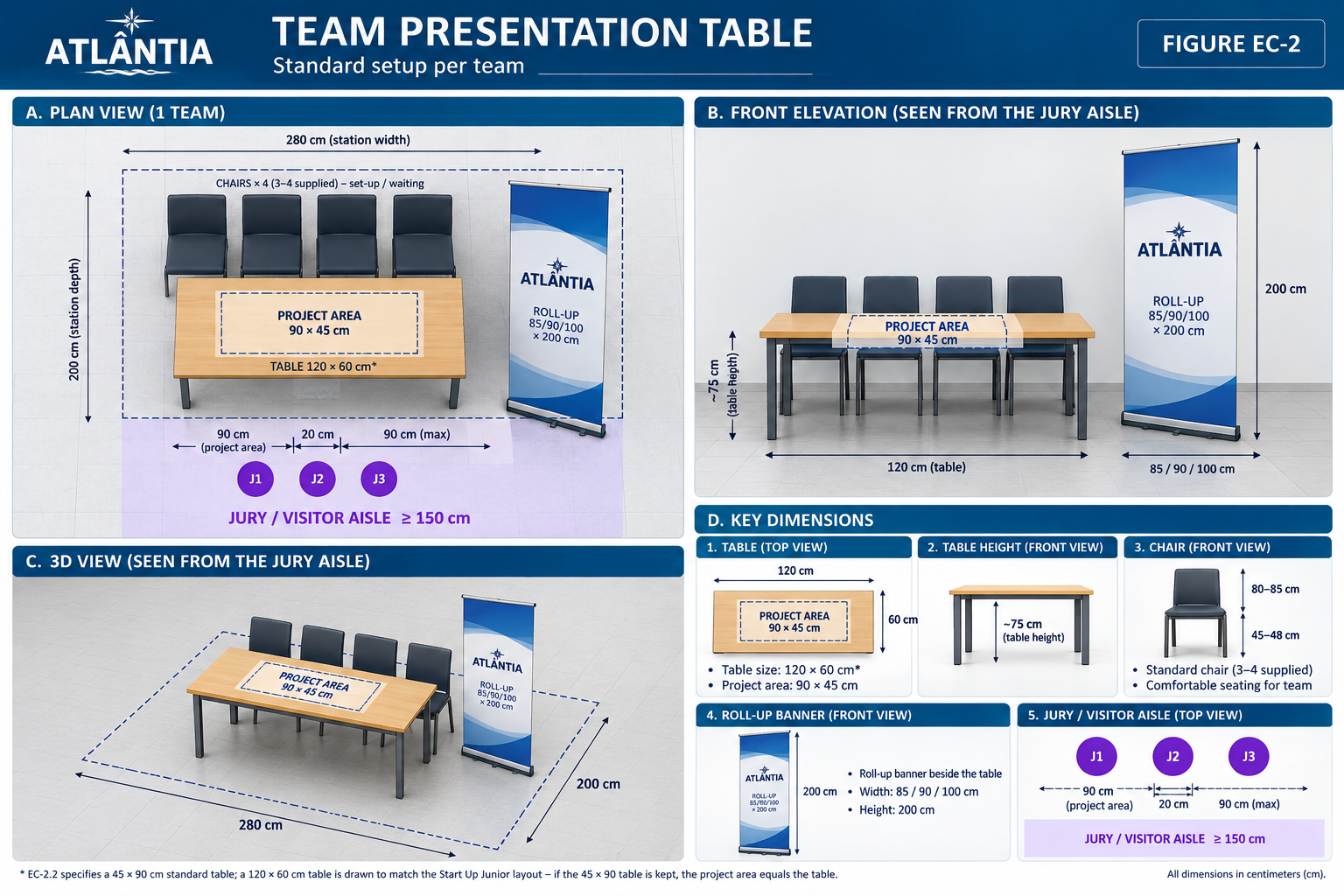
Project Presentation Area
Evaluation Criteria
Competition Process
Prepare an evidence-based project
Document the question, background, method, results and your own contribution. Prepare the report and supporting evidence specified by the rulebook and announced submission schedule.
Present, demonstrate and discuss
Give a 3–5 minute main presentation. Explain the project, show its evidence and answer the jury’s questions; the jury may extend the discussion. Technical depth is assessed at your registered level.
Levels 01–07 • 3–5 minute main presentation • Maximum 100 points
Competition Rules & Guidelines
Review the official competition rules, evaluation criteria, project requirements and submission guidelines before preparing your project.
Participation implies acceptance of the official rulebook. All teams, mentors, and students are expected to read, understand, and comply with the rules.