Sustainable City Design
We are looking for visionary projects that will design the resilient, smart and eco-friendly urban living spaces of the future using nature-integrated technologies.
Rethink a place. Show the difference.
Choose a challenge in a building, neighbourhood or city system and design an improvement for the people who use it. You could investigate cooler streets, more accessible travel, efficient buildings, water use or greener public spaces.
Compare the current situation with your proposal using suitable data, calculations, models or simulations. At the competition, show how the design could work and explain its effects on related systems, such as energy, travel time, cost or accessibility.
You do not have to design an entire city. A focused proposal with convincing evidence can be stronger than a large decorative model. The jury considers integration, feasibility and measurable benefit; the official rulebook explains project boundaries, supporting evidence and presentation requirements.
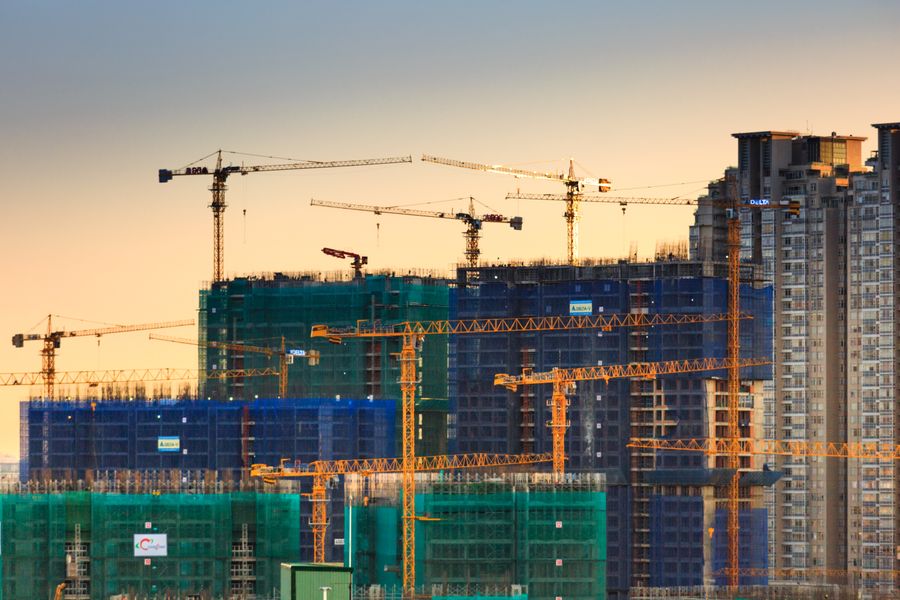
Thematic Focus Areas
Energy-Efficient Buildings and Green Architecture
Net-zero energy buildings that generate their own energy; next-generation sustainable insulation materials that revolutionize thermal insulation; smart building management systems (BMS) and AI-powered energy/water optimization; vertical forests, roof gardens and urban building facades that can harvest rainwater.
Smart Transportation and Mobility Systems
AI-based signalization and smart intersection management systems that reduce traffic congestion; electric and autonomous public transportation integrations; seamless integration of micromobility (bicycle, e-scooter) networks into urban infrastructure; innovative route optimization solutions that minimize carbon emissions in logistics and cargo distribution.
Eco-Friendly Urban Planning and Infrastructure
Wind corridors and green infrastructure design that reduce urban heat island effects; highly accessible settlement plans suitable for the '15-Minute City' concept; smart waste collection and underground logistics networks; resilient sponge city infrastructure engineering that withstands disasters and climate shocks.
Participation Rules
Architectural and Engineering Integration
Define whether your project covers a building, neighbourhood, district or city system. Explain relevant engineering principles and connections between the systems affected by your proposal.
Data and validation suited to the project
Use appropriate measurements, calculations, datasets, models or simulations to compare the current situation with the proposed design. GIS is one possible tool, not a universal requirement.
Scalability and Socio-Economic Compatibility
Explain practical implementation, resource needs and social effects at an appropriate level. A focused project does not need to redesign the entire city.
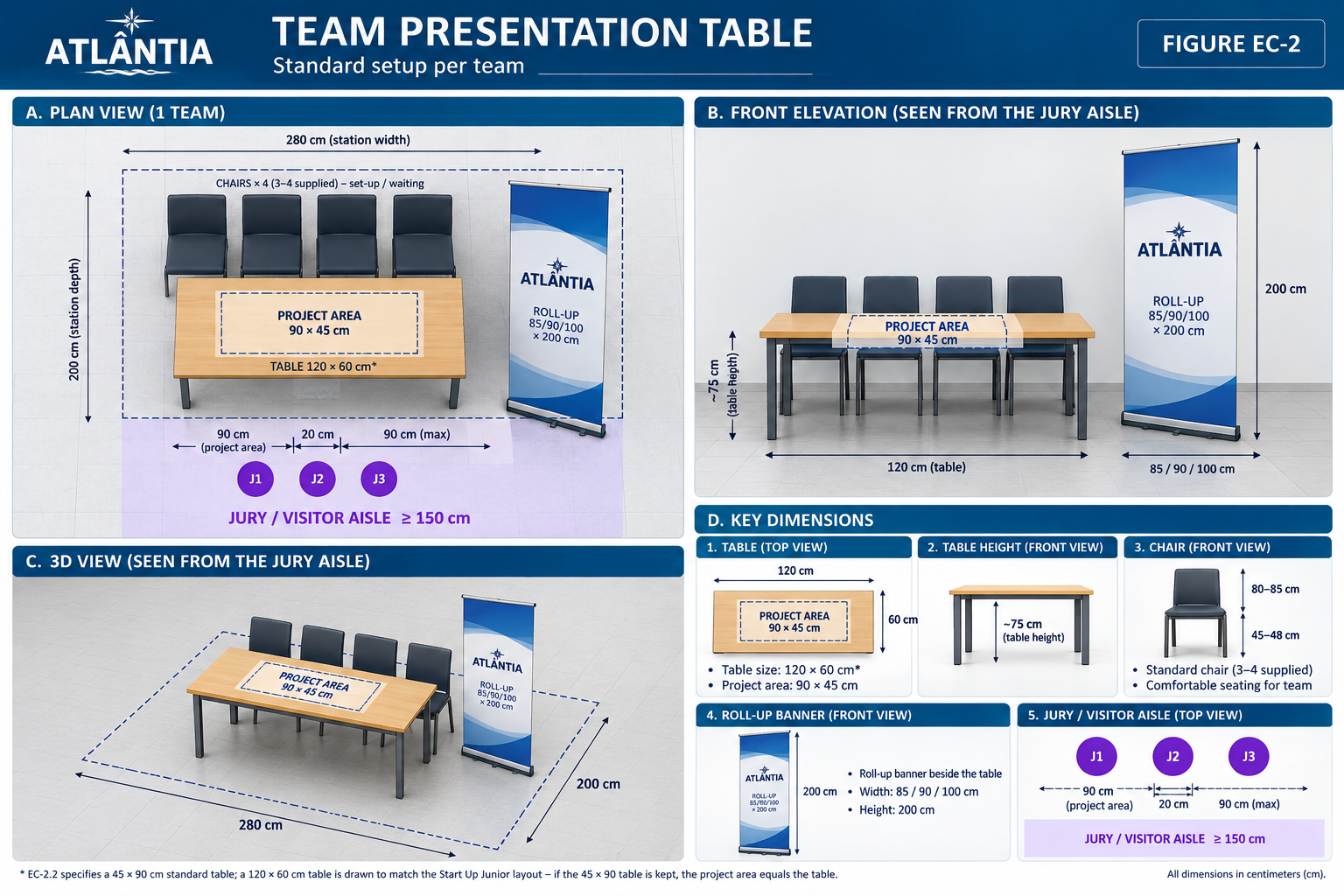
Project Presentation Area
Evaluation Criteria
| Criterion | Points |
|---|---|
| Innovation & Originality | |
| Scientific & Technical Competence | |
| Applicability & Scalability | |
| Sustainability & Impact | |
| Presentation & Defence | |
| Total |
Competition Process
Prepare an evidence-based project
Document the question, background, method, results and your own contribution. Prepare the report and supporting evidence specified by the rulebook and announced submission schedule.
Present, demonstrate and discuss
Give a 3–5 minute main presentation. Explain the project, show its evidence and answer the jury’s questions; the jury may extend the discussion. Technical depth is assessed at your registered level.
Competition Rules & Guidelines
Review the official competition rules, evaluation criteria, project requirements and submission guidelines before preparing your project.
Participation implies acceptance of the official rulebook. All teams, mentors, and students are expected to read, understand, and comply with the rules.