場所を再考してください。 違いを見せてください。
建物、地域、都市システムの課題を選択し、それを使用する人々のための改善を設計します。涼しい街路、よりアクセスしやすい移動、効率的な建物、水の利用、または緑豊かな公共スペースを調査することができます。
適切なデータ、計算、モデル、シミュレーションを使用して、現在の状況と提案を比較します。コンテストでは、その設計がどのように機能するかを示し、エネルギー、移動時間、コスト、アクセシビリティなどの関連システムへの影響を説明します。
都市全体をデザインする必要はありません。説得力のある証拠を伴う焦点を絞った提案は、大規模な装飾モデルよりも強力です。陪審は統合、実現可能性、測定可能な利益を考慮します。公式ルールブックでは、プロジェクトの境界、裏付けとなる証拠、プレゼンテーションの要件について説明しています。
テーマ別フォーカスエリア
Energy-Efficient Buildings and Green Architecture
Net-zero energy buildings that generate their own energy; next-generation sustainable insulation materials that revolutionize thermal insulation; smart building management systems (BMS) and AI-powered energy/water optimization; vertical forests, roof gardens and urban building facades that can harvest rainwater.
Smart Transportation and Mobility Systems
AI-based signalization and smart intersection management systems that reduce traffic congestion; electric and autonomous public transportation integrations; seamless integration of micromobility (bicycle, e-scooter) networks into urban infrastructure; innovative route optimization solutions that minimize carbon emissions in logistics and cargo distribution.
Eco-Friendly Urban Planning and Infrastructure
Wind corridors and green infrastructure design that reduce urban heat island effects; highly accessible settlement plans suitable for the '15-Minute City' concept; smart waste collection and underground logistics networks; resilient sponge city infrastructure engineering that withstands disasters and climate shocks.
参加規則
Architectural and Engineering Integration
プロジェクトが建物、近隣、地区、または都市システムをカバーするかどうかを定義します。関連するエンジニアリング原則と、提案によって影響を受けるシステム間の接続について説明します。
プロジェクトに合わせたデータと検証
適切な測定、計算、データセット、モデル、またはシミュレーションを使用して、現在の状況を提案された設計と比較します。 GIS は可能なツールの 1 つであり、普遍的な要件ではありません。
Scalability and Socio-Economic Compatibility
実際の実装、リソースのニーズ、社会的影響を適切なレベルで説明します。焦点を絞ったプロジェクトでは、都市全体を再設計する必要はありません。
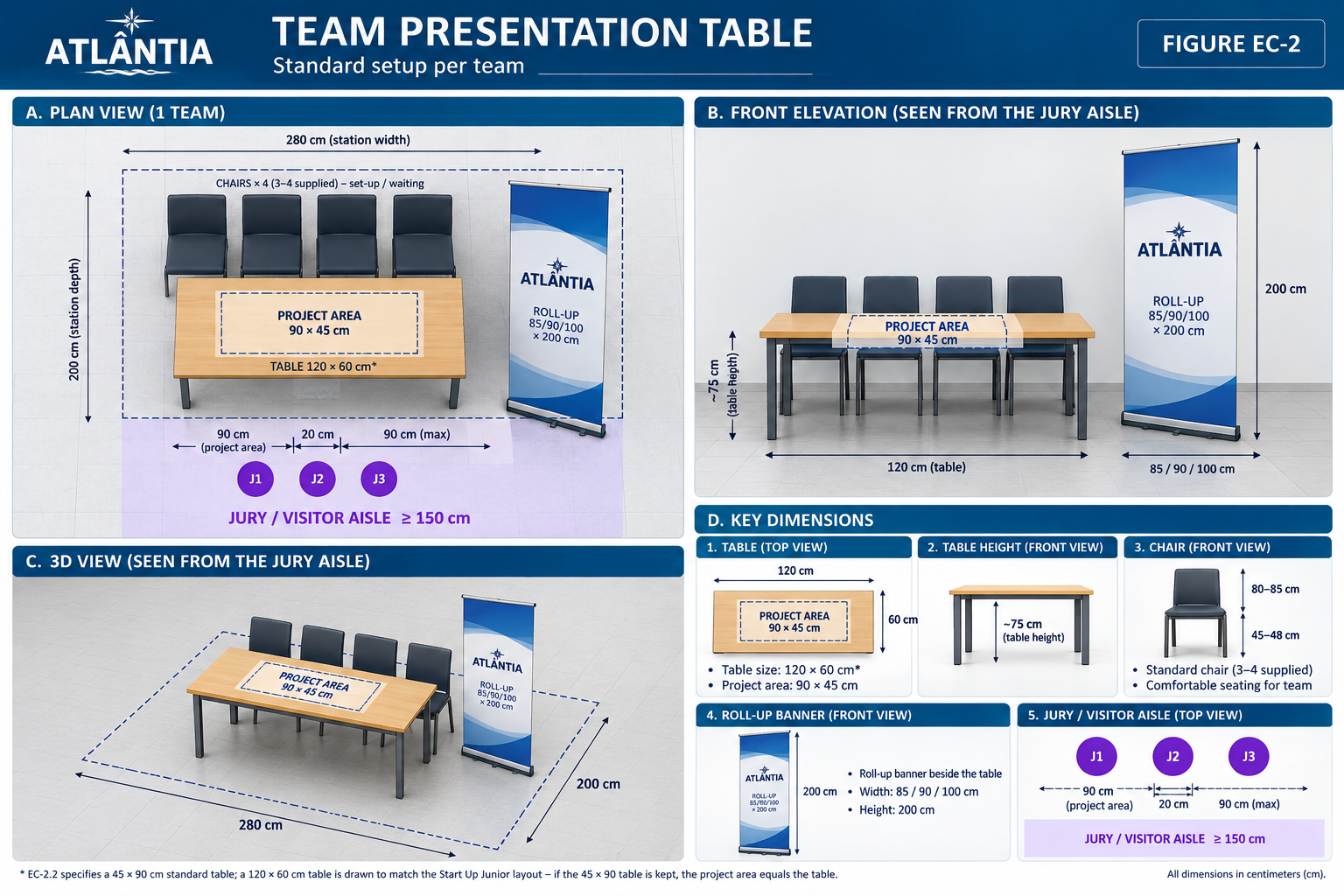
プロジェクト発表エリア
評価基準
| 基準 | 点数 |
|---|---|
| 革新性と独創性 | |
| 科学的および技術的能力 | |
| 適用性と拡張性 | |
| 持続可能性と影響 | |
| プレゼンテーションとディフェンス | |
| 合計 |
競技プロセス
証拠に基づいたプロジェクトを準備する
質問、背景、方法、結果、およびあなた自身の貢献を文書化します。ルールブックと発表された提出スケジュールで指定された報告書と裏付けとなる証拠を準備します。
発表、デモンストレーション、ディスカッション
3 ~ 5 分のメイン プレゼンテーションを行います。プロジェクトについて説明し、その証拠を示し、陪審員の質問に答えます。陪審は議論を延長することができる。技術的な深さは登録したレベルで評価されます。