問題に気づきました。 より良いソリューションをテストします。
廃棄物、水質、大気汚染、資源の使用、生態系の健全性など、調査できる環境問題を選択してください。質問や実際的な改善策を考え、証拠を集めて、アプローチが違いを生むかどうかを確認します。
プロジェクトでは、実験、観察、プロトタイプ、モデル、またはシミュレーションが使用される場合があります。コンテストでは、問題を説明し、どのように取り組んだかを示し、期待と一致しなかった結果も含めて結果を発表します。
審査員は、学生の独創的な作品、健全な推論、環境への影響についての現実的な説明を求めます。工業製品やまったく新しい技術は必要ありません。あなたが貢献した内容と証拠が何を裏付けているかを示してください。準備と評価の詳細は公式ルールブックに記載されています。
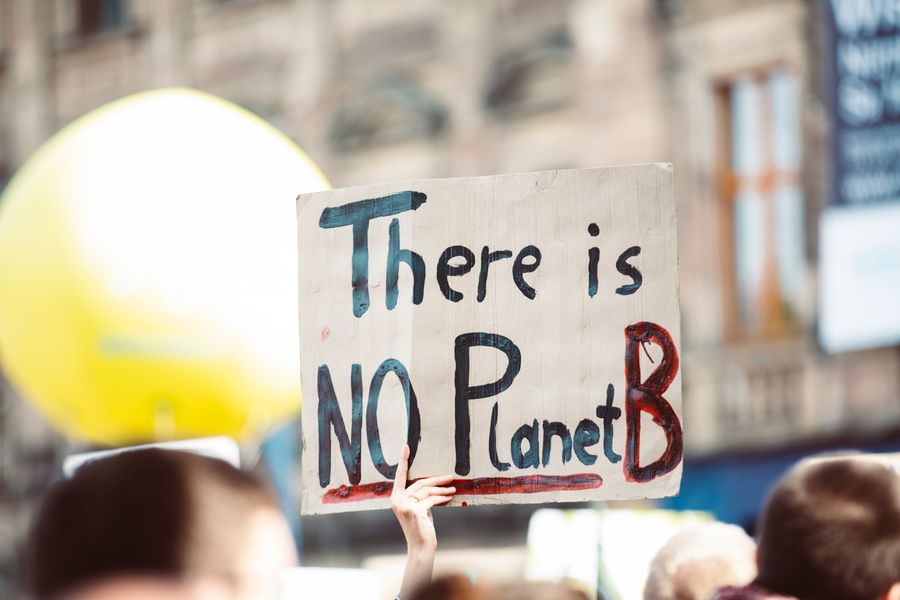
テーマ別フォーカスエリア
これらは例であり、非公開リストではありません。プロジェクトと競争のレベルに適した、焦点を絞った問題と証拠を選択してください。
Waste Management and Circular Economy
Going far beyond simply collecting and sorting waste, this area should be approached as a process based on the "zero waste" philosophy and the circular economy. Participants may work on systems that convert organic, industrial or electronic waste (e-waste) into valuable raw materials through biochemical processes, next-generation biomaterials to replace non-biodegradable plastics, or AI-powered robotic solutions that make waste sorting autonomous.
Water Treatment and Management
Innovative mechanisms that can directly address the global clean water crisis are of great importance. Among the strongest topics in this area are nanotechnological systems that detect and filter microplastics from oceans and drinking water, low-cost biological filtration designs that purify industrial wastewater with minimal energy consumption, or convert seawater for agricultural use.
Air Quality and Emission Control
Projects aimed at improving air quality should focus on technologies that will make cities breathable again. Innovative modules for direct air carbon capture and storage (CCS), smart filters that convert toxic gases from industrial chimneys into useful byproducts, or IoT-based sensor networks that map urban air pollution in real time and enable intervention can be developed.
参加規則
オリジナルの学生投稿を作成し、適切な証拠でその主張を裏付けます。
Originality and Scientific Foundation
All submitted projects must be based on scientific foundations and be original. Projects that are direct copies of existing solutions will be eliminated.
主張にふさわしい証拠
質問に適した実験、観察、測定、試作品、モデル、シミュレーションを使用します。限界と実用的な可能性を説明する。産業上の準備は必要ありません。
説明できる方法
質問の答えに役立つツールを選択してください。 AI、高度なセンサー、その他のテクノロジーはオプションのアプローチであり、参入要件ではありません。
Sustainability
It is a fundamental requirement that the proposed system's own production and operating costs are also environmentally friendly and energy efficient.
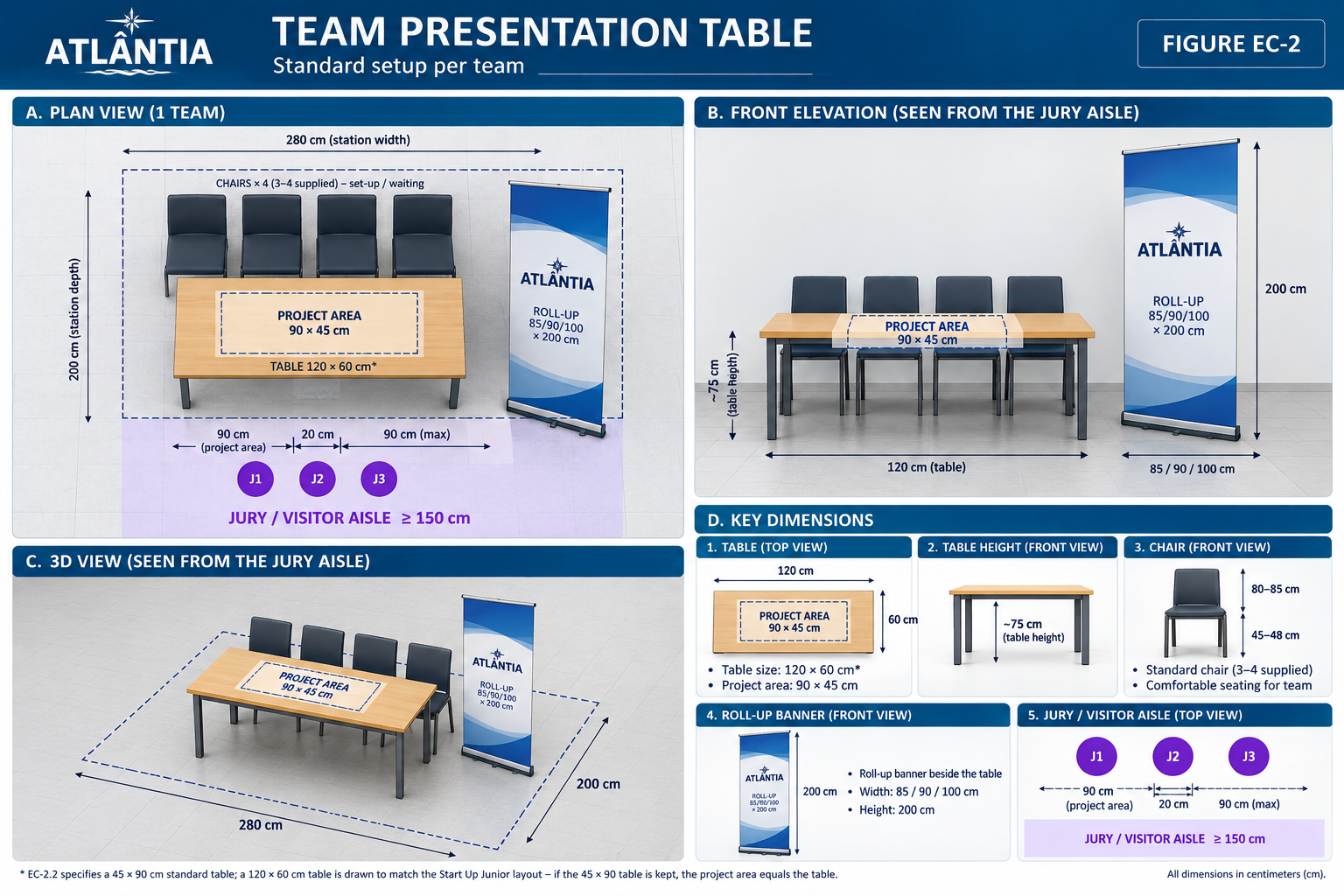
プロジェクト発表エリア
評価基準
科学研究とイノベーションの共通ルーブリックは合計 100 点です。期待される技術的な深さは登録されたレベルに従います。
| 基準 | 重み | 配分 |
|---|---|---|
| 革新性と独創性 | 25 点 | |
| 科学的および技術的能力 | 25 点 | |
| 適用性と拡張性 | 20 点 | |
| 持続可能性と影響 | 15 点 | |
| プレゼンテーションとディフェンス | 15 点 | |
| 合計 | 100 点 |
評価と審査プロセス
証拠に基づいたプロジェクトを準備する
質問、背景、方法、結果、およびあなた自身の貢献を文書化します。ルールブックと発表された提出スケジュールで指定された報告書と裏付けとなる証拠を準備します。
発表、デモンストレーション、ディスカッション
3 ~ 5 分のメイン プレゼンテーションを行います。プロジェクトについて説明し、その証拠を示し、陪審員の質問に答えます。陪審は議論を延長することができる。技術的な深さは登録したレベルで評価されます。